Posted on
Why Winter is the Best Time of Year to Stargaze in Australia
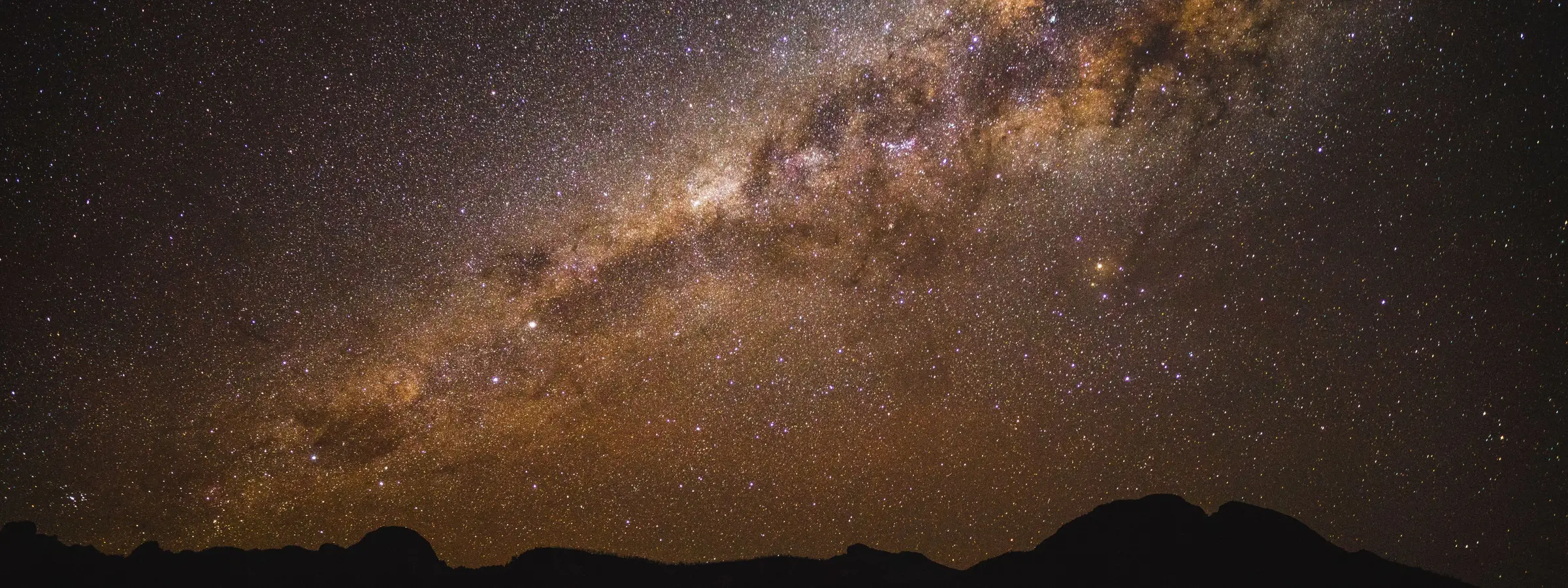
There’s something special about winter nights. The air turns crisp, the skies stay still and the stars seem to shine a little brighter. With less humidity, shorter atmospheric haze and long, peaceful evenings, winter is truly the best time of year to stargaze in Australia.
Across the country, rural and coastal regions transform into natural dark-sky theatres. Far from the buzz of the city, the Milky Way stretches overhead in full display. It’s the perfect season to slow down, rug up and reconnect with the night sky.
Many Hampshire Holiday Parks sit in or near these naturally darker regions, giving you front-row access to some of the best places to stargaze in Australia — from outback plains to coastal headlands and hinterland hideaways.
The Best Stargazing Spots Near Camping Sites
Longreach Tourist Park – Longreach, QLD
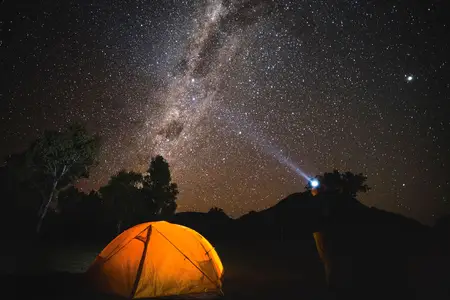
In the heart of Outback Queensland, Longreach delivers some of the clearest, darkest skies in the country.
Best Stargazing Time: May to September
What You’ll See: The Milky Way stretching across the sky, the Southern Cross, Scorpius, Centaurus and bright winter planets like Saturn and Jupiter
Top Tip: Just a short drive beyond town, the Mitchell Grass Plains offer uninterrupted 360-degree views — perfect for capturing the Milky Way arch.
Where to Stay: Longreach Tourist Park
BIG4 Wallaga Lake Holiday Park – Wallaga Lake, NSW
A peaceful coastal escape with minimal light pollution and wide, open water views.
Best Stargazing Time: May to August
What You’ll See: Southern Cross, satellites and the glowing Milky Way core
Top Tip: Wander down to the lakefront. On still nights, the stars reflect across the water in spectacular detail.
Where to Stay: BIG4 Wallaga Lake Holiday Park
BIG4 Opal Holiday Park – Lightning Ridge, NSW
An outback icon and one of the best stargazing spots in Australia thanks to its deep, dark skies.
Best Stargazing Time: April to September
What You’ll See: Meteor showers including the Delta Aquariids in late July
Top Tip: Bring a deck chair, a warm jacket and a thermos — the perfect outback viewing kit.
Where to Stay: BIG4 Opal Holiday Park
BIG4 Lucinda Wanderers Holiday Park – Lucinda, QLD
Looking across to Hinchinbrook Island, Lucinda offers expansive coastal skies and beautiful viewing angles.
Best Stargazing Time: June to September
What You’ll See: Southern constellations and the glowing Milky Way band
Top Tip: Try the Lucinda Jetty or quiet beachfront picnic spots for wide, open skies.
Where to Stay: BIG4 Lucinda Wanderers Holiday Park
BIG4 Townsville Gateway Holiday Park – Townsville, QLD
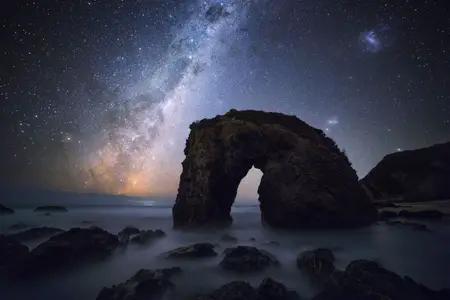
Close to excellent dark-sky areas just outside the city limits.
Best Stargazing Time: May to August
What You’ll See: Centaurus, Crux and bright winter planets
Top Tip: Drive up Castle Hill or head toward Hervey Range for darker, clearer views.
Where to Stay: BIG4 Townsville Gateway Holiday Park
Crows Nest Tourist Park & Toowoomba Motor Village – QLD
Set high on the Great Dividing Range, surrounded by nature reserves and prime dark-sky viewing.
Best Stargazing Time: May to September
What You’ll See: The Southern Cross, Scorpio and brilliant open clusters
Top Tip: Crows Nest Falls Lookout and Ravensbourne National Park are ideal high vantage points.
Where to Stay: Crows Nest Tourist Park and Toowoomba Motor Village
BIG4 Howard Springs Holiday Park – NT
A peaceful base just outside Darwin, perfect for Milky Way spotting.
Best Stargazing Time: June to September
What You’ll See: The wide arc of the Milky Way and bright southern constellations
Top Tip: Litchfield National Park — just over an hour away — is a stargazing paradise.
Where to Stay: BIG4 Howard Springs Holiday Park
Victor Harbor Holiday Park – Victor Harbor, SA
A stunning southern coastal region with rare chances to spot the Aurora Australis during solar activity.
Best Stargazing Time: May to August
What You’ll See: Milky Way above the Bluff and (if you're lucky) the Southern Lights
Top Tip: Rosetta Head and Newland Head Conservation Park are local favourites for unobstructed viewing.
Where to Stay: Victor Harbor Holiday Park
Stargazing Tips for Beginners
• Use a red-light torch to protect your night vision
• Download Sky Guide or Star Walk to identify constellations
• Aim for after moonset for the darkest skies
• Pack a blanket, deck chair and warm drink
• Allow your eyes 10–15 minutes to adjust to the dark
Winter Celestial Calendar: What to Look For
- June: Bright planets often rise in the pre-dawn sky during winter — keep an eye out for Saturn, Mars or Jupiter depending on the year
- July 28–29: Delta Aquariid meteor shower (annual event)
- August 12–13: Perseid meteor shower (visible from northern Australia each year)
- Milky Way Core: Best viewed May–August between 8–11pm
Ready to go explore the stars?
Pitch the tent, roll out the swag and look up. Winter offers crisp nights and breathtaking skies made for stargazing. Across our parks, you’ll find camping spots that put the Milky Way right above your doorstep.